Washing and Water Removal Procedure
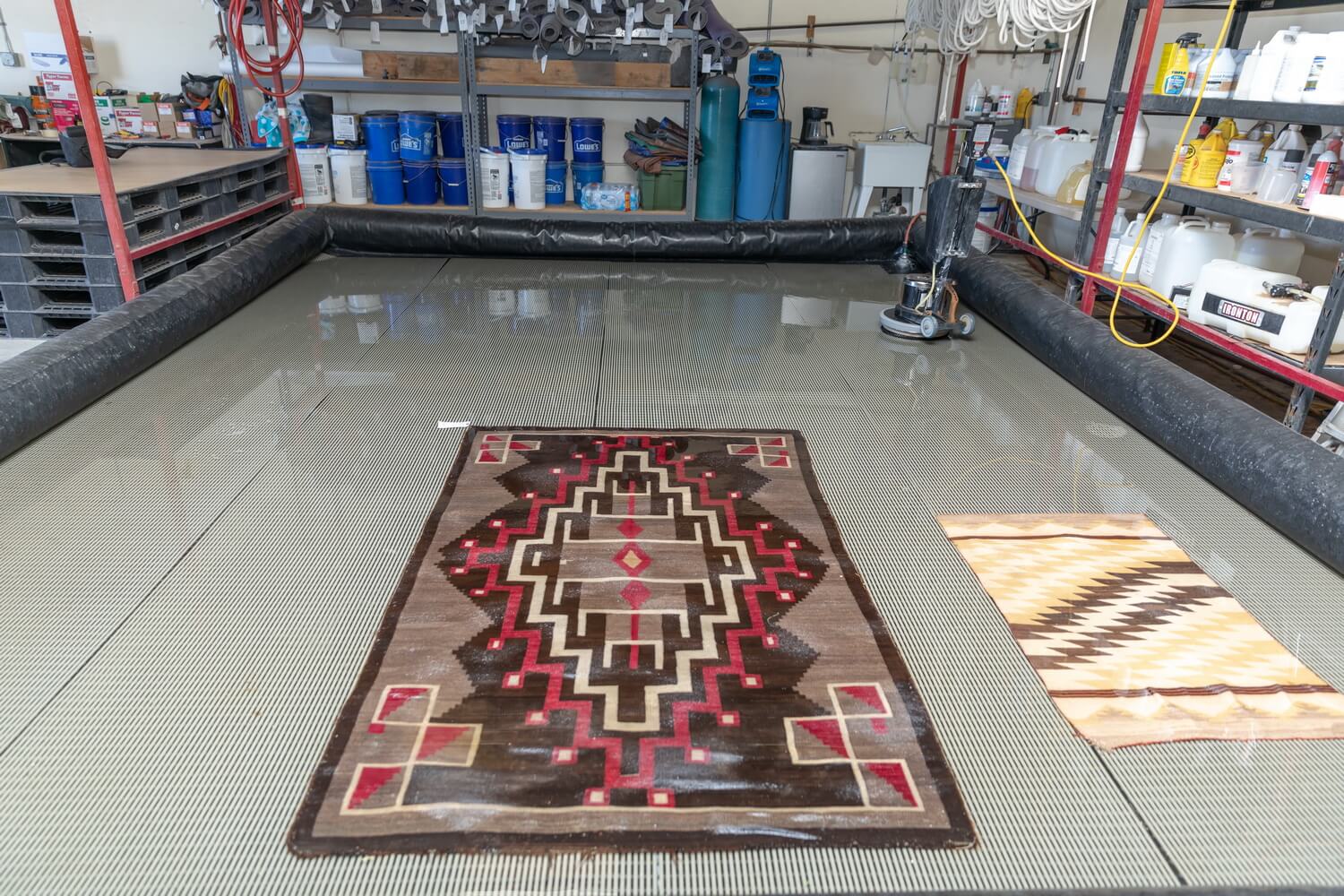
STEP 1
All Navajo rugs being with complete saturation of our Dye Bleed Control.
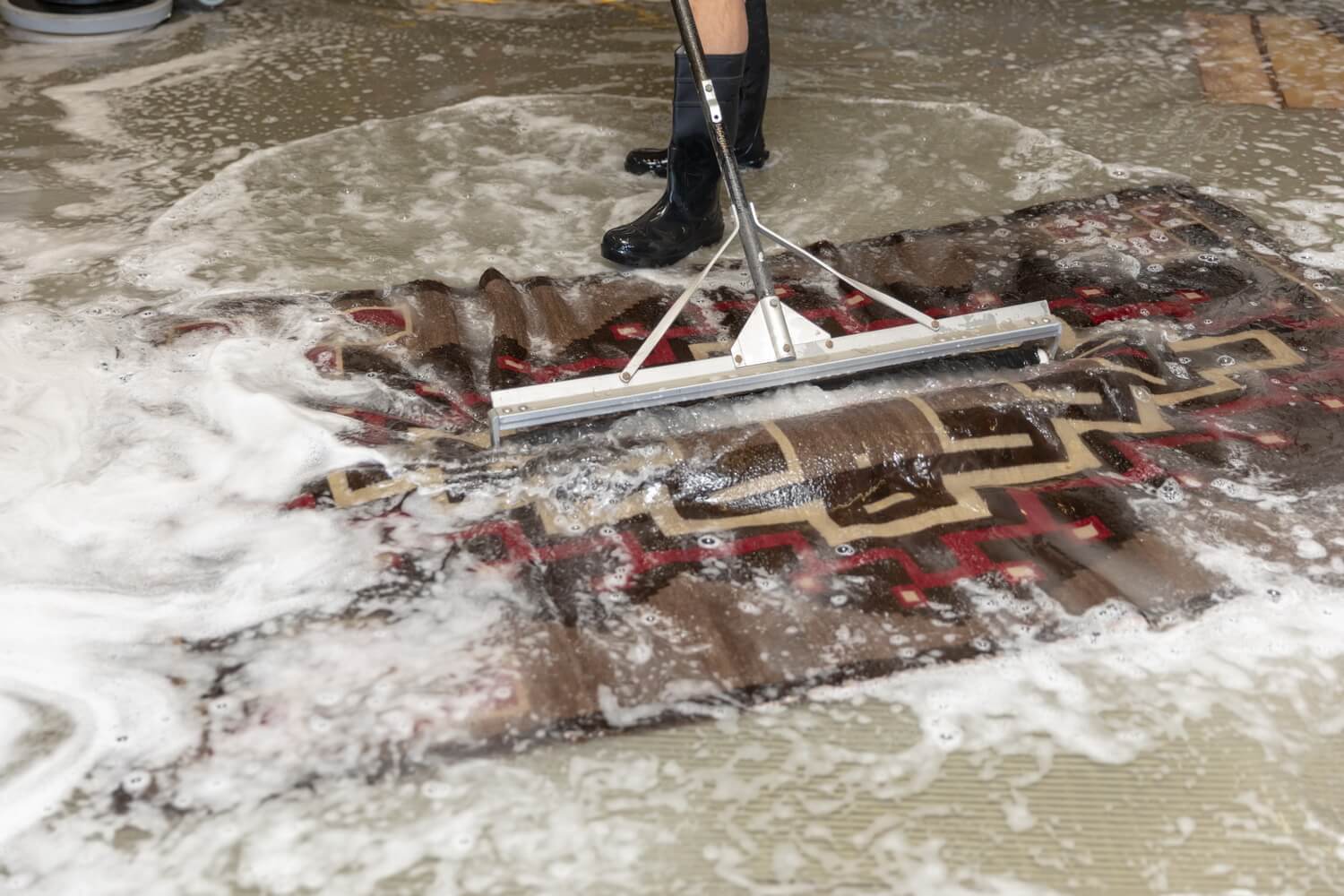
STEP 5
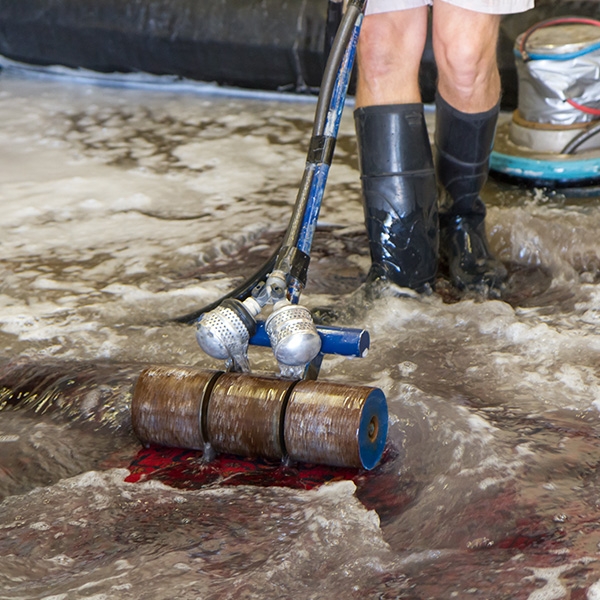
Compression rolling allows us to wash from inside to out.
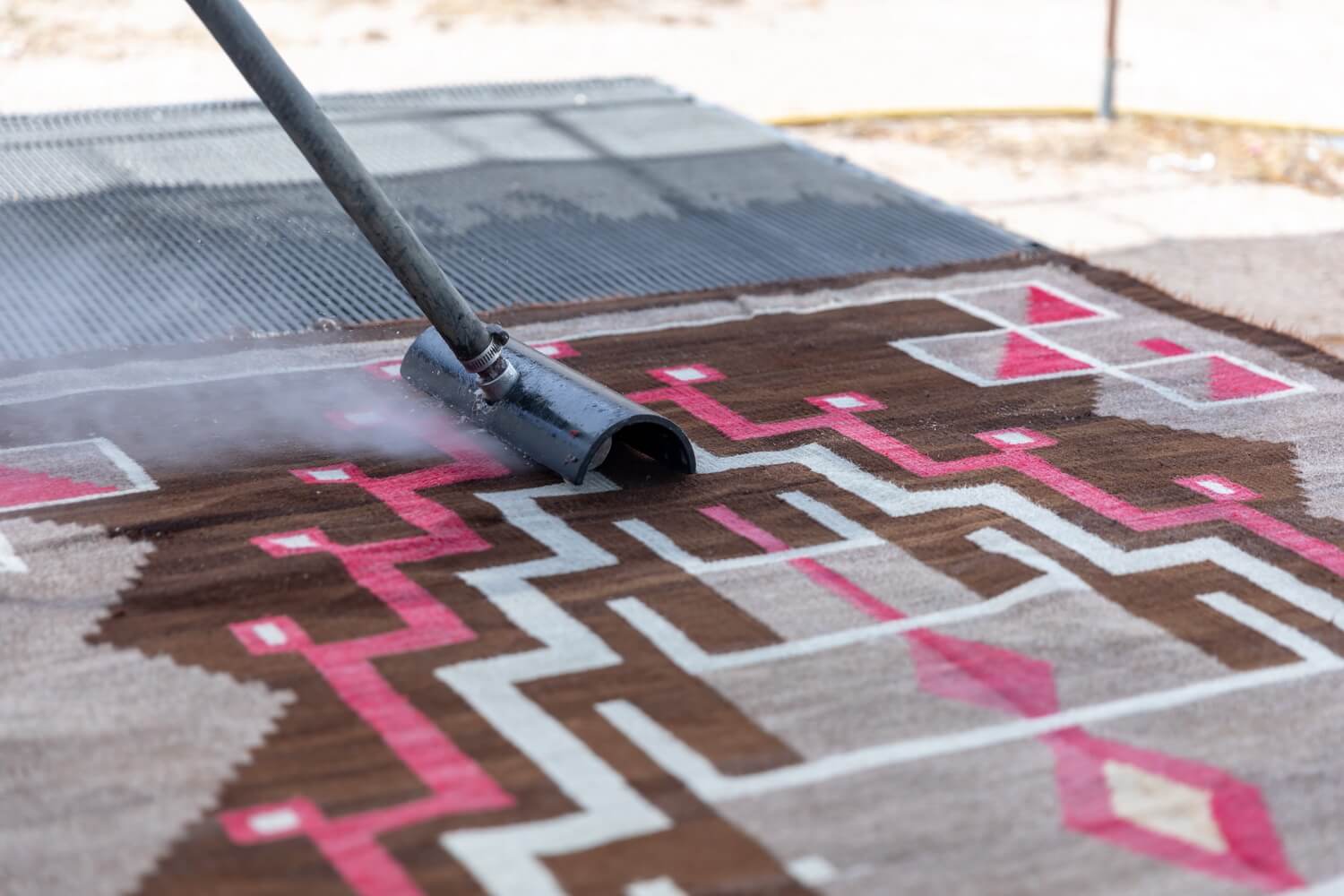
STEP 9
Both sides are done for fast efficient drying on our specialty platform
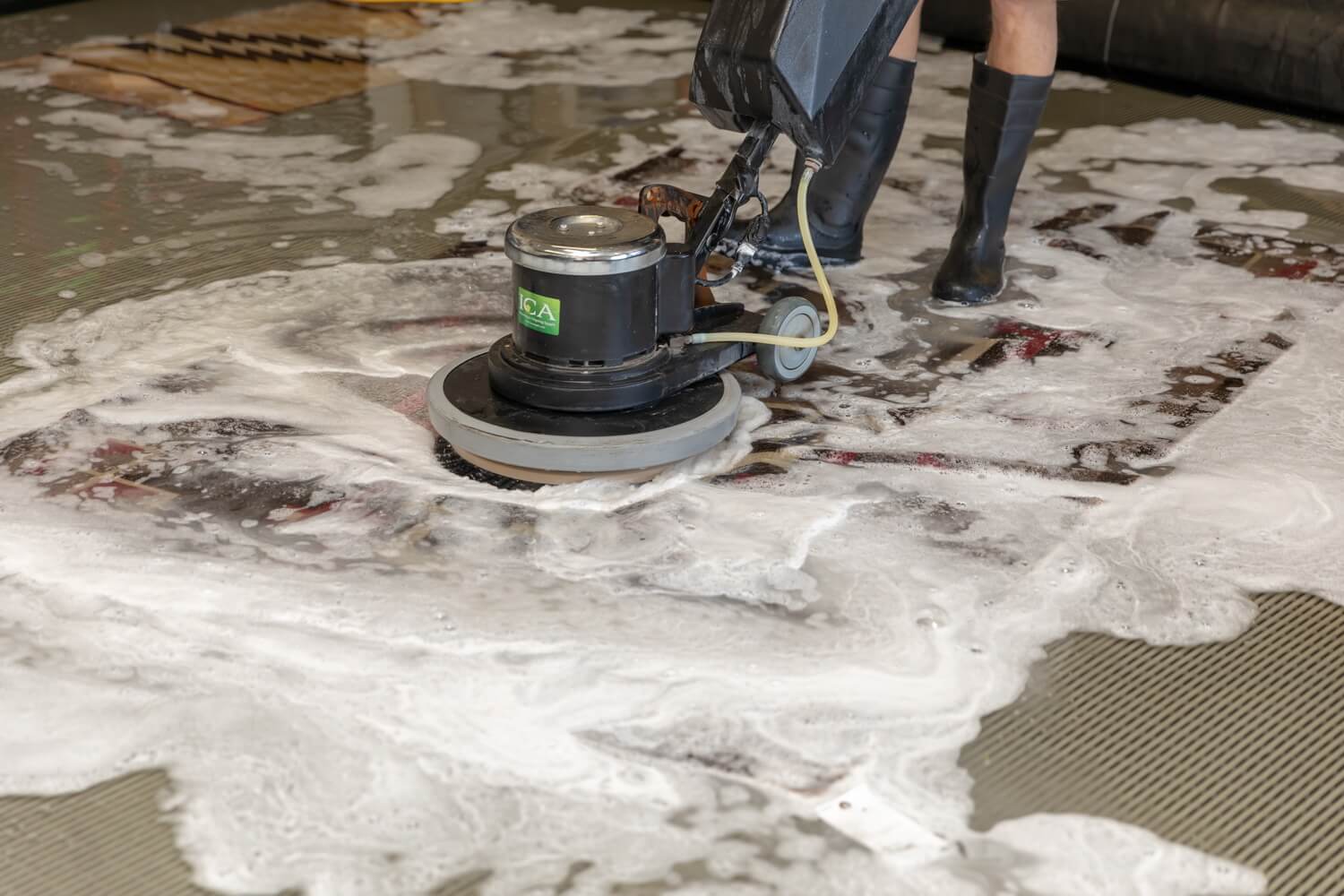
STEP 2
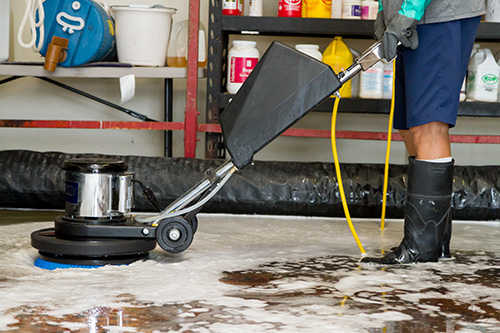
A full submersion wash plus disinfectant ensures the textile is clean and sanitized.
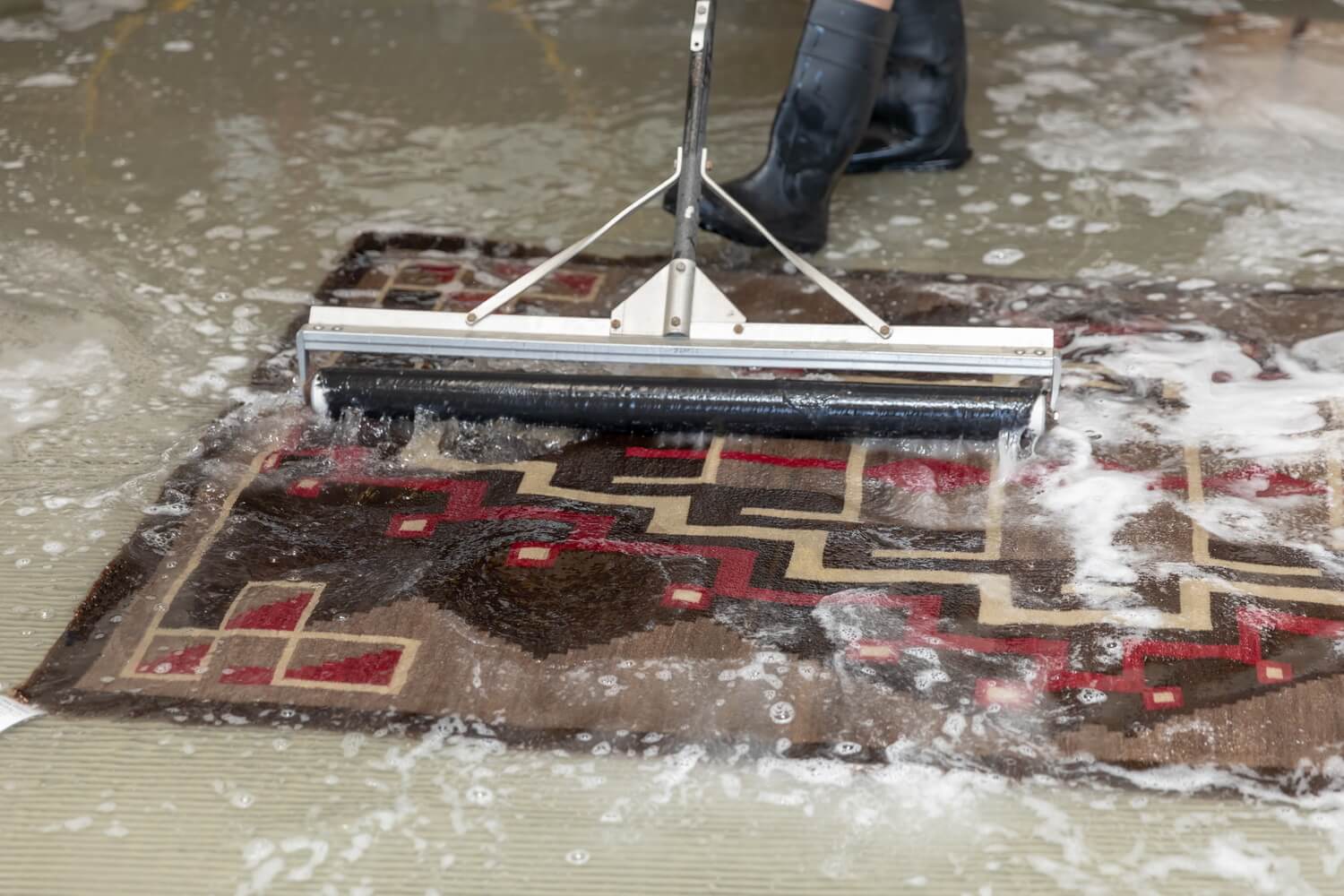
STEP 6
Compression rolling on both sides removes soaps.
STEP 10
After washing we post treat all rugs with a DuPont Teflon and a moth repellent
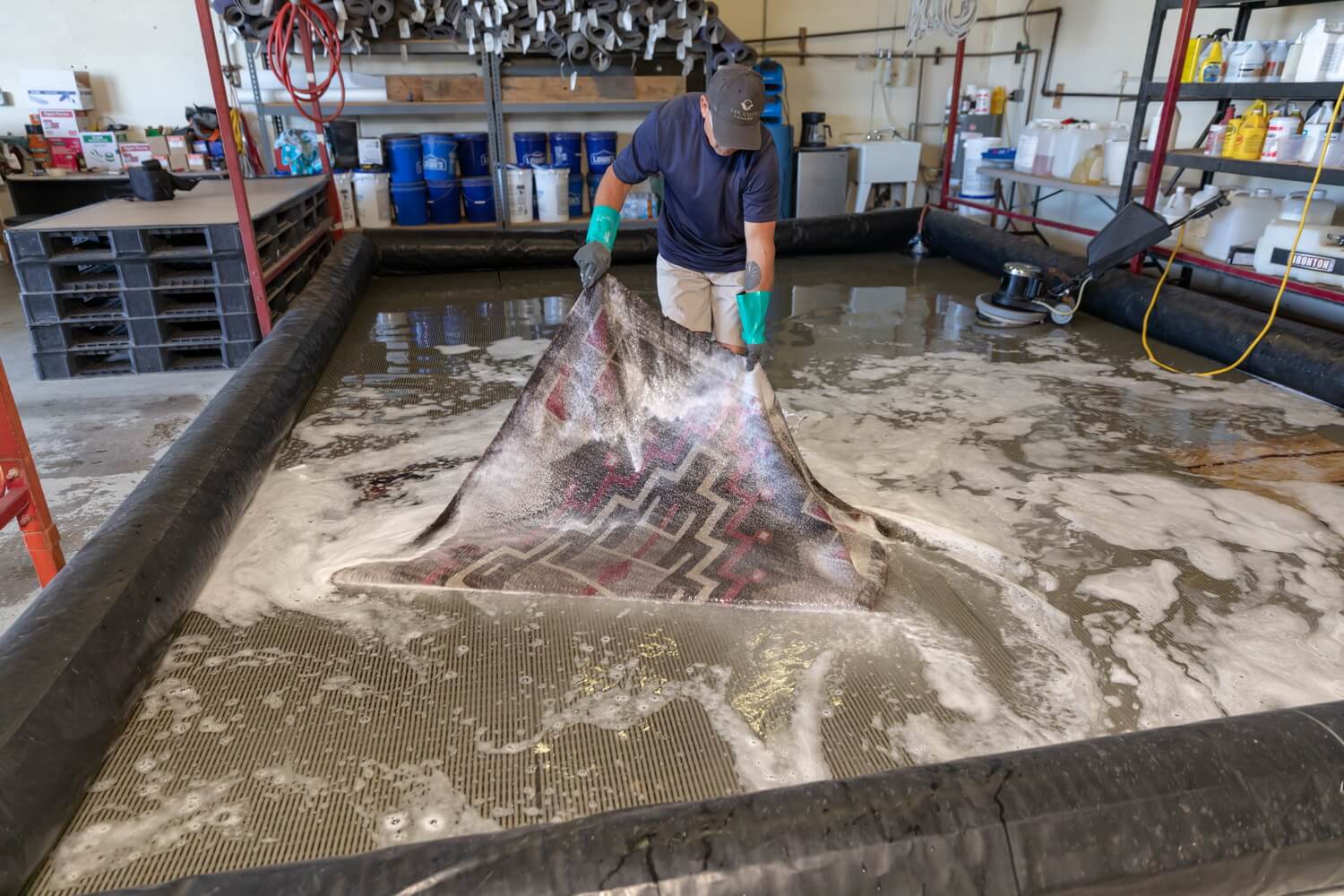
STEP 3
We always wash both sides of every rug
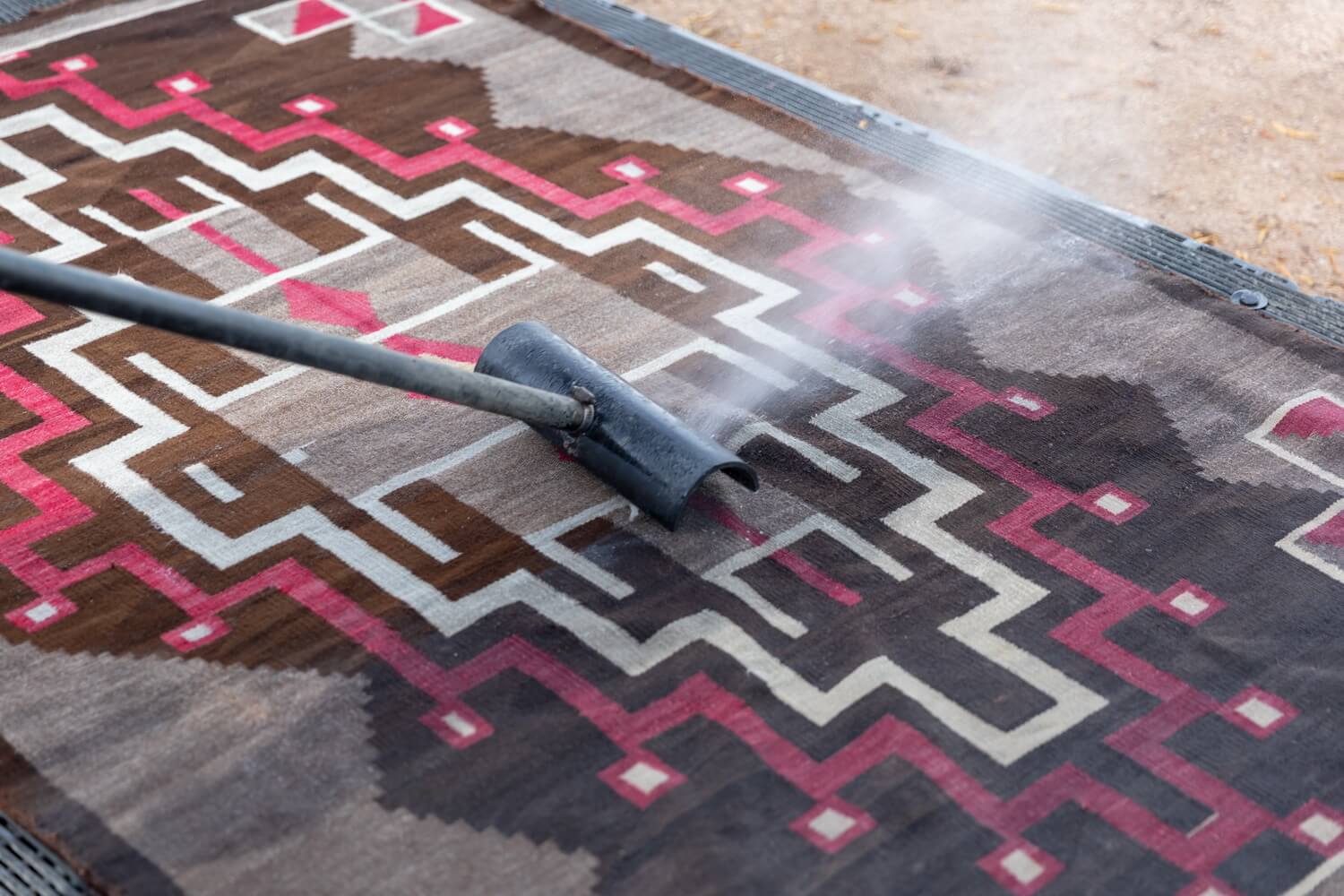
STEP 7
Not only do we use compressed air to air dust dry rug we can use Air for removal of water.
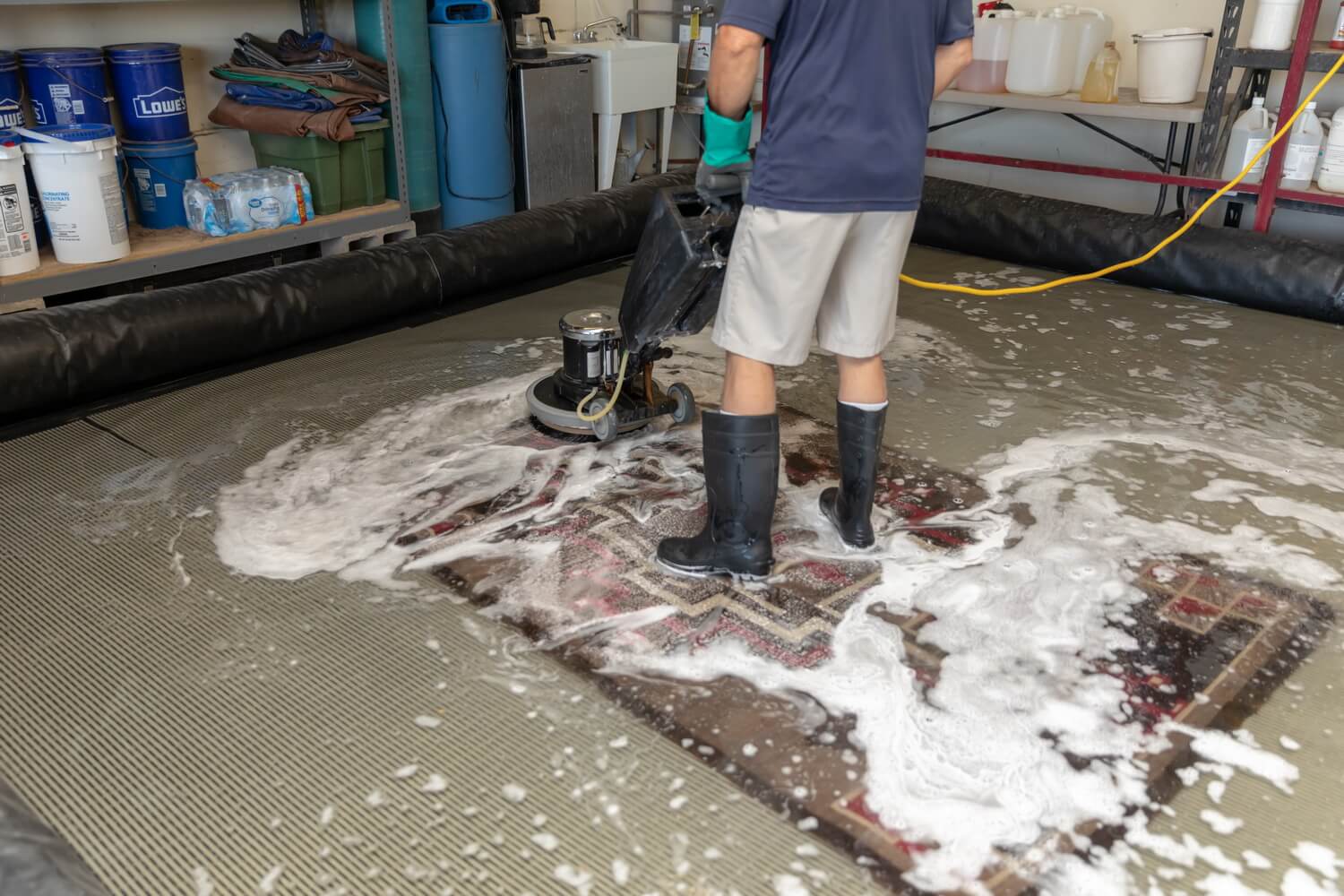
STEP 4
Washing the other side of Navajo
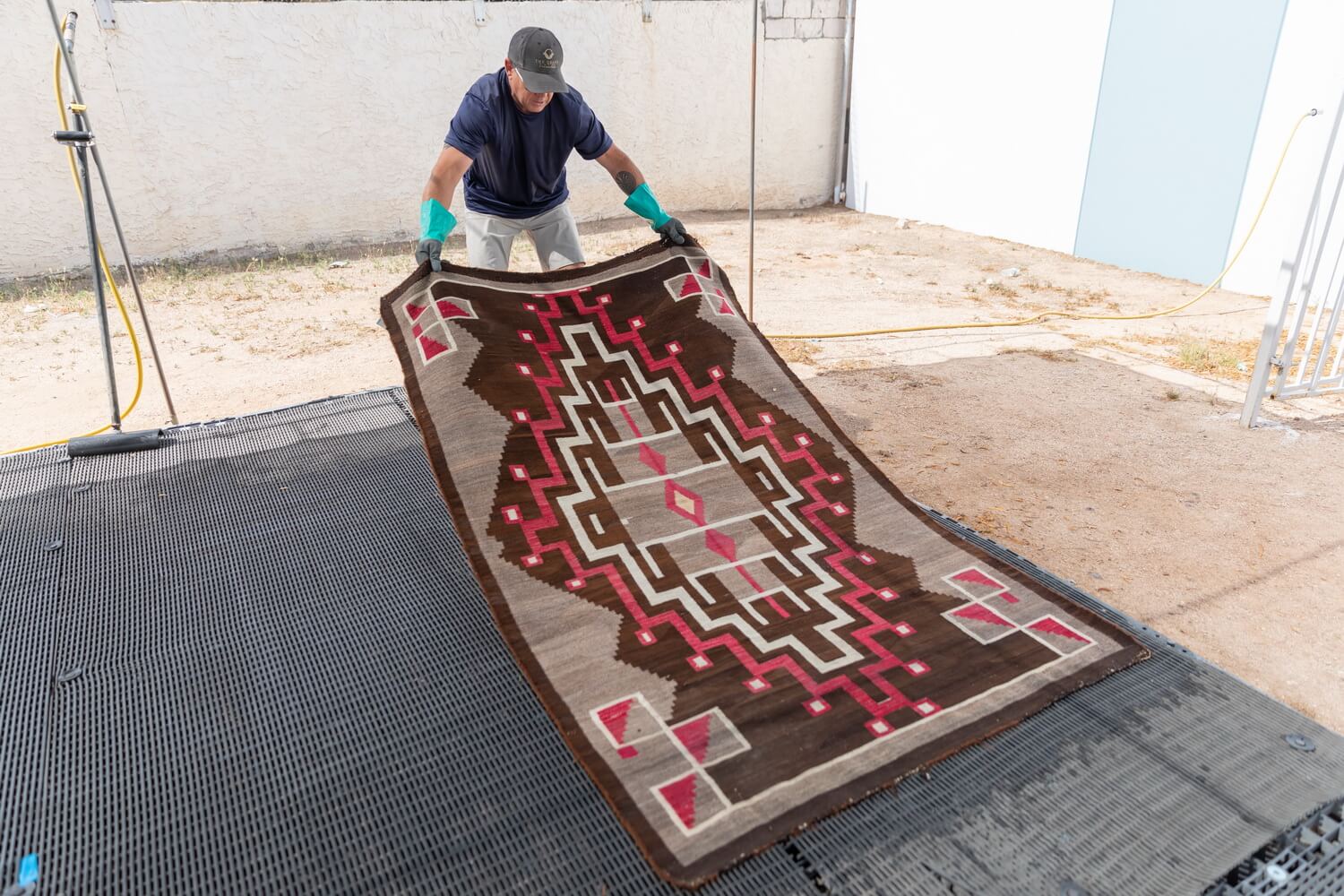
STEP 8
We always air compressed both sides of every rug
Complete Washing and Cleaning Rug Procedure
Air dusting or Air cleaning - The Most Important Step in Washing Wool Rugs
Air dusting or Air cleaning is the first and most important step in washing wool rugs.
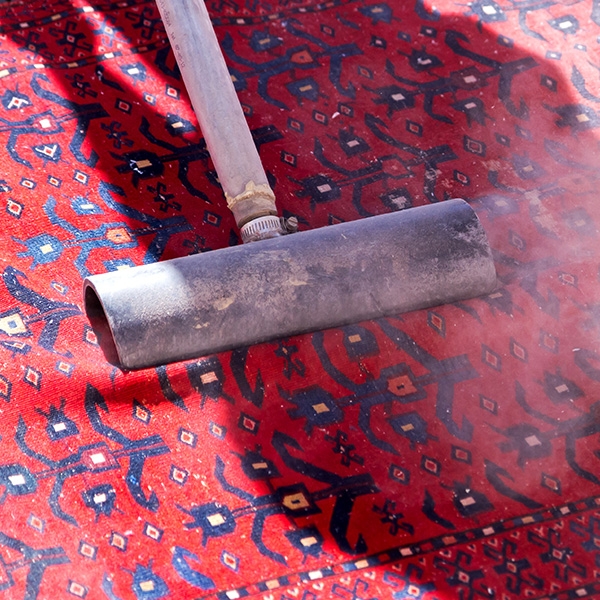
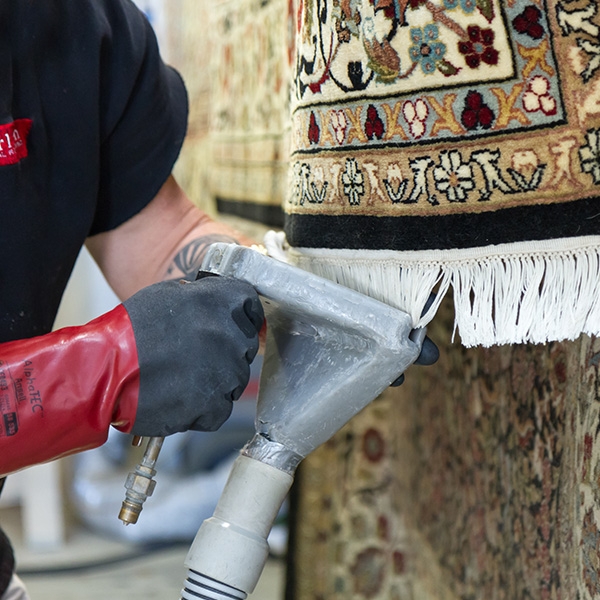
Airloom uses the power of compressed air with patented tools to perform this crucial pre-cleaning. We first start with the rug face down and push the dry soil thru the foundation of the rug followed by removing it from the front. As the wand is moved across the rug each pass removes more and more dirt.
Airloom Oriental Washing Rug Co. is the ONLY place that you can find this service in Arizona.
Moth Season Has Started
Moth season has started and these bugs will ruin wool rugs. Airloom can eliminate them and prevent them from returning. Call Today: (520) 571-1703
Announcement - To All Our Valued Local Visitors
Drop off in person any rug at our store for washing and cleaning made by appointment only. Please note that our store hours of operation may change upon pickup and delivery commitments. Please, call us first at (520) 571-1703 to schedule date and time to drop off your rug to get it washed and cleaned.
Thank you to be Airloom Oriental Rug Washing Co. Valued Customer

SATISFACTION GUARANTEE

PERFECTLY FITS
ANY RUG SIZE

NEW EMERGENCY
24 hours a day, We will be on our way to pick up your rugs immediately
Rug Washing Processing
Flipping the Rug to get washed on both side
Final Grooming of the Rug
After the rug has been air dusted, washed and dried we then finish the rug by using compressed air again under the rug to remove any of the heavier sand which didn’t come out during the wash. We then go over the top with the air tool to just complete the job.
Final grooming of the rug with a special brush to align all the fibers and the fringe.
Air Dusting
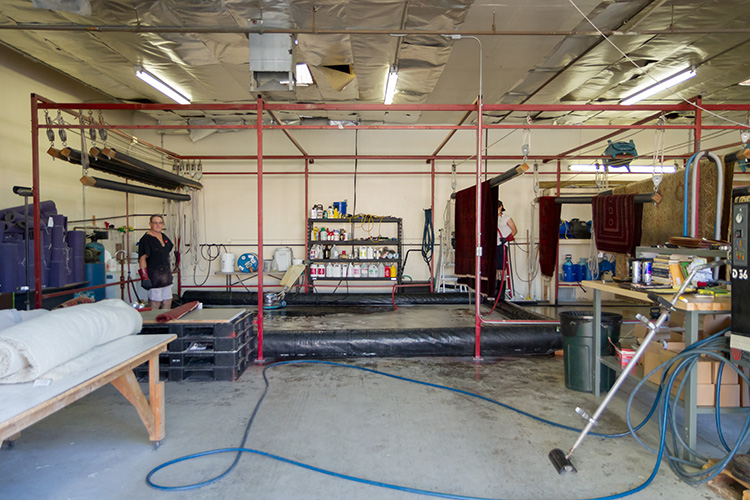
Tucson's Only & Largest In-Plant Oriental Rug Washing Facility. Using the world-renowned Australian cleaning system includes air dusting washing, submersion, pet urine, stain, spot removal and water damage restoration which includes disinfecting, sanitize and color correction.
WORKMANSHIP GUARANTEE
All work is performed following industry standards, so be at ease with your fine fabrics in our hands. We accept complete responsibility of providing you with quality service... We guarantee it!
How our unique 5-step washing process work:
INSPECT: Construction, dyes, fibers and soils of your rug is determined.
DUST: Compressed air is used to remove dirt and particles as well as dust mites, pet dander and mold spores.
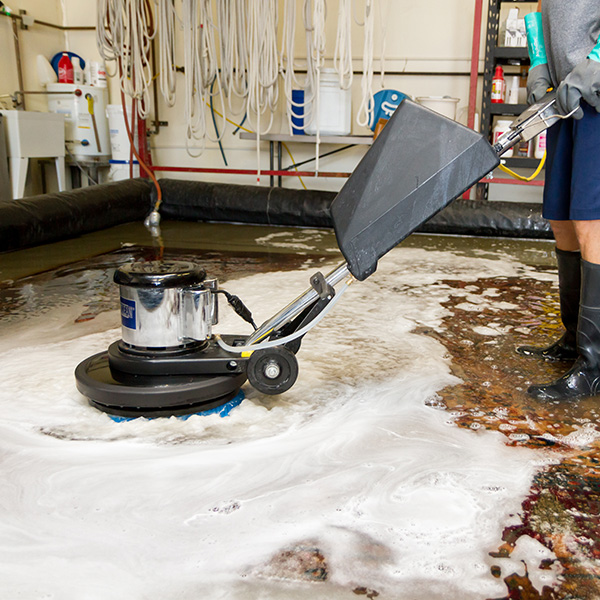
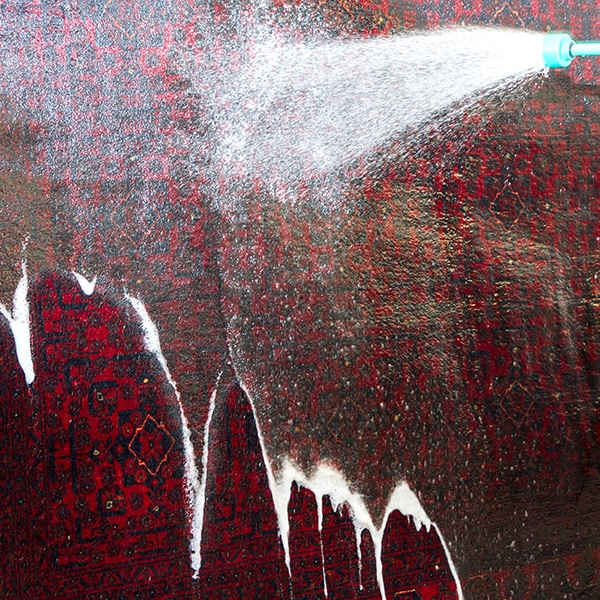
WASH: Hand washed in a submersion bath using fresh soft water.
RINSE: Rinsing flushes away soils and cleaning agents.
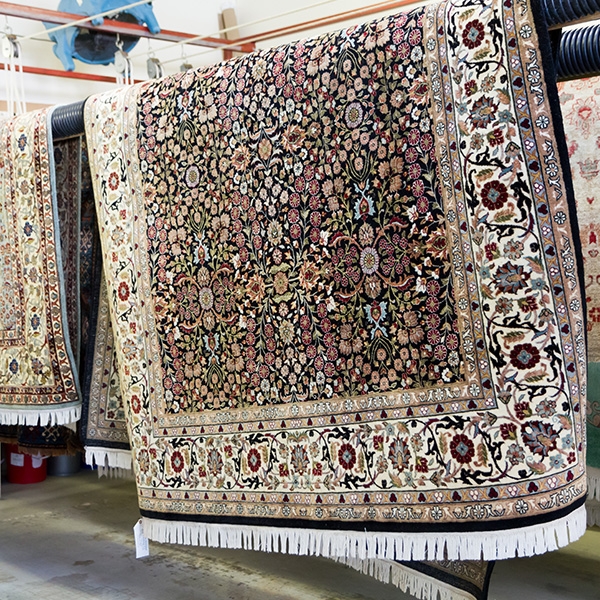
DRY: Gravity, air and mild heat dry the rug.
Blowing the Water out of the rug using Air Compressor
Rug Washing Method
At Airloom Oriental Rug Washing Co.,
We take pride in returning your freshly
CORE SERVICES
What actually we do?
This customer took the time to call every shop in Tucson and visited all of the websites too. We are proud to say that after all of the homework, she hired me to wash her rug. & this is how we can say with pride & authority.
One of the leading authorities on flooring emphasize that the ONLY way to thoroughly wash a rug is a total submersion wash. Surface washing a rug does not eliminate the mold, spores, dust mites and other 'creatures' that saturate your rugs. Not even industrial-type vacuum equipment will come close to complete cleaning and be sanitizing.
When we first made the decision to fully commit our time, effort and resources to not simply "clean oriental rugs", but to WASH Oriental Rugs bringing back the original beauty, we sought out the best, most successful and safest rug washing method. We wanted to ensure a healthy cleaning, no color bleed, odor removal and return your rugs to the original richness of its original beauty value. YES, we can totally eliminate even cat urine odor, not mask it or "perfume" it, but make it completely disappear...until the next time, but regular cleanings when these accident happen can maintain your rug's beauty, health, and value.
During our search for the best Oriental rug washing process, we found the The world-renowned Auserehlian Oriental Rug Washing Method to be the best and traveled to attend and become certified as Oriental Rug Washing & Cleaning Specialists upon graduation.
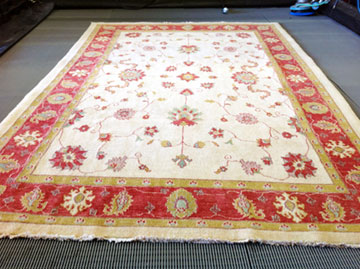
This 10-14 hand tied wool rug last washed 4 years ago
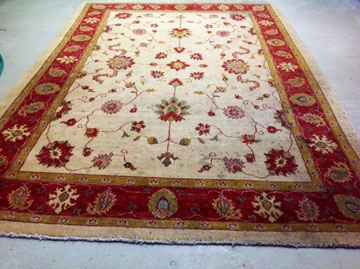
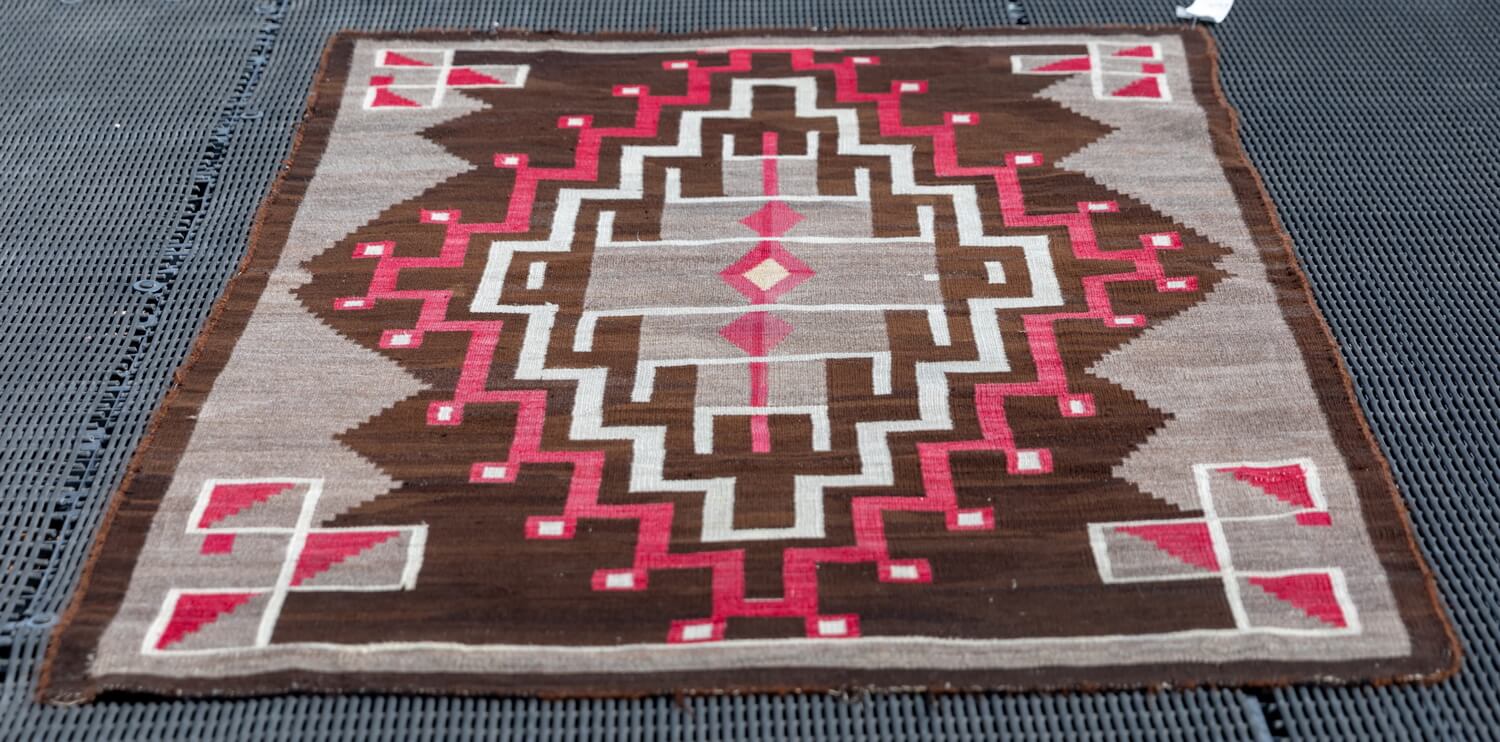
After get washed at Airloom